
My Wellness Journal 2026
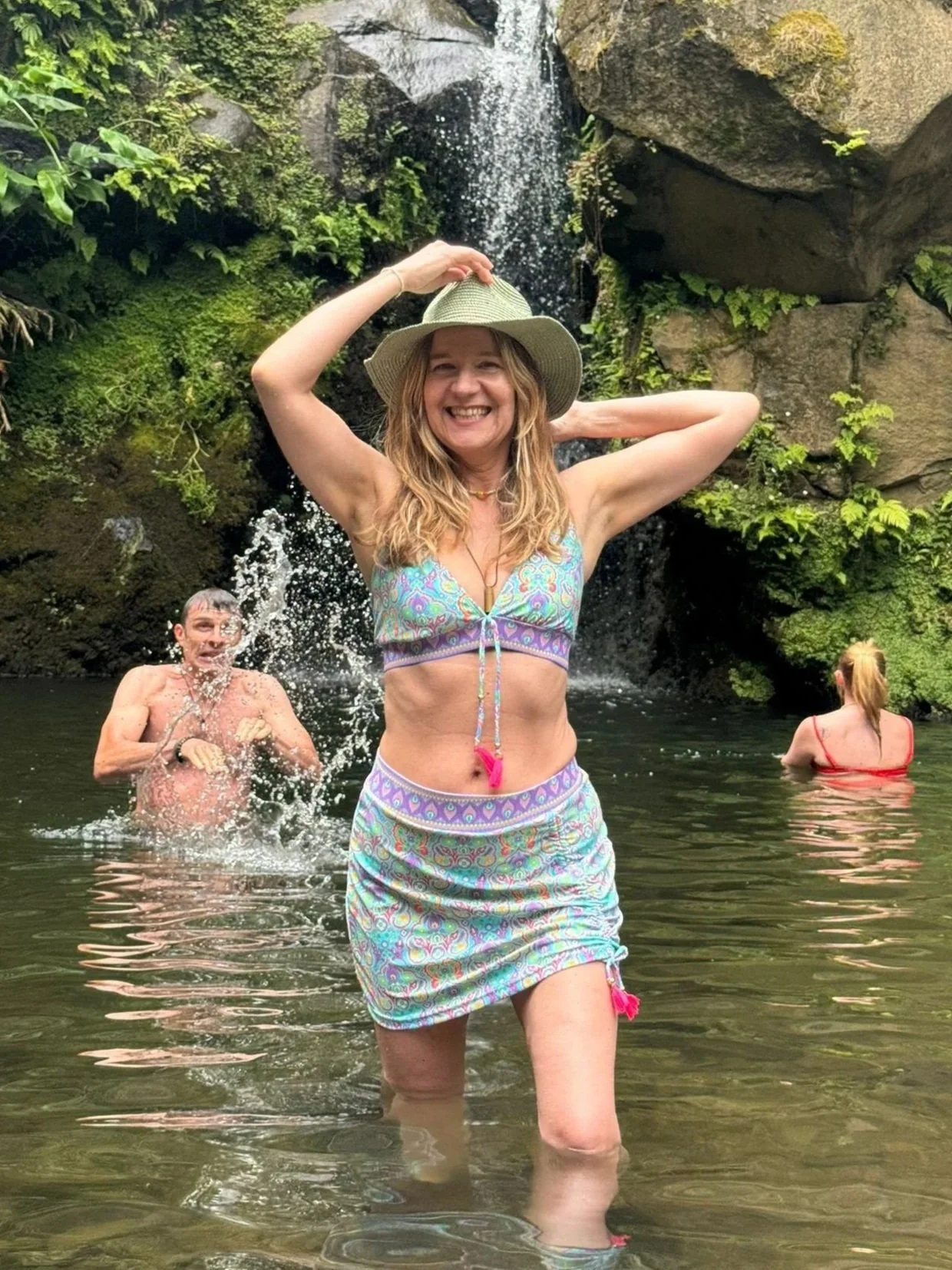
Hi, I’m Izzy! I’m 59.
Welcome to my Wellness Journal 2026
a real-life, science-curious
diary of supplements, hormones, histamine, sleep experiments, and what actually works for women over 40 navigating midlife health.
Happy New Year !
I hope this year brings you better health, calmer routines, and the kind of self-discipline that actually feels good - because that’s where real happiness lives. If something you read here helps you reach your goals, my goal is accomplished!
5th January 2026
Why I’ve Completely Changed My Breakfast, Evenings, and Supplements
For years, I did what “experts” say you’re supposed to do:
High-fibre breakfast.
Calming supplements at night.
Herbal teas, amino acids, magnesium, sleep stacks.
And yes, for many years it worked.
But mid 50’s… I started to feel tired but wired far too often. I wanted better.
So I looked into it even more deeply.
What I learnt has been completely unexpected - and honestly, a relief.
Why I Stopped Taking “Calming” Supplements at Night
This has been my biggest nervous-system breakthrough.
For years, I stacked “calming” supplements at night - magnesium glycinate, valerian, chamomile, glycine, cortisol-lowering blends - all in the hope of sleeping better. Instead, I got racing heart, wired thoughts, and broken sleep.
Now I understand why.
This is called a rebound nervous system response. For some people, in midlife and especially with histamine sensitivity and hormonal changes, the brain is more reactive and constantly trying to maintain balance.
When supplements push cortisol or brain activity down too fast, the brain compensates by releasing adrenaline instead of relaxing.
So the very things meant to calm the system can do the opposite.
Why is no one talking about this?
That’s why my evenings are now intentionally simple.
At night I only take:
Taurine (400 mg) with dinner to gently stabilise my nervous system and heart
Progesterone drops at a consistent low dose before bed
Honeybush tea or lemon balm tea, which is subtly calming and low histamine
What I no longer take at night:
Glycine
Magnesium glycinate
Valerian
Chamomile
Sleep blends or stacks
Instead, I rely on low light, warmth, breathing, and routine.
The result? Less adrenaline, fewer surprises, and much more predictable sleep.
The biggest lesson: timing matters as much as the supplement, especially for women over 40. Sometimes calm doesn’t come from adding more - it comes from letting the nervous system stand down on its own.
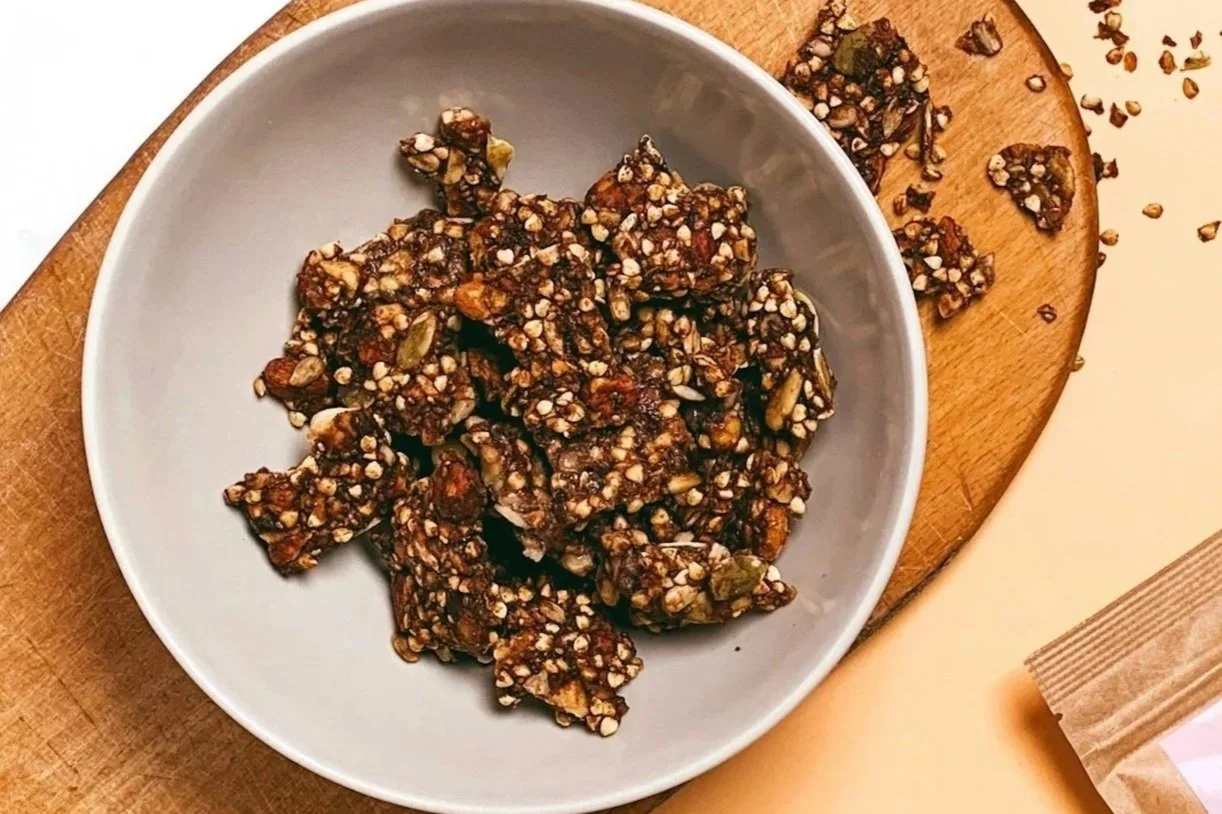
Another breakthrough:
Why I No Longer Eat Fibre at Breakfast
This one shocked me.
For years I was told:
“Fibre at breakfast keeps you regular.”
But in my body, fibre first thing actually did the opposite.
Instead of encouraging bowel movement, it:
Added bulk before my gut had “woken up”
Blunted my natural gastro-colic reflex
Made me rely more on coffee and magnesium laxatives
So now, my breakfast is simple:
Protein (eggs, sometimes meat or fish)
Healthy fat
No fibre at all.
This allows:
Natural gut propulsion to start
My nervous system to stay calm
Coffee (after breakfast) to actually work without forcing things
But before breakfast, I have warm water with a pinch of sea salt (actually it’s Dr. Sarah Myhill’s infused with minerals sunshine salt).
Fibre now belongs at lunch time, once digestion is already moving.
This has been a game changer for both digestion movement (if you get my drift!) and energy.
It turns out my body didn’t need more fibre - it needed better timing and believe it or not,less fibre!
The Takeaway (Especially for Women Over 40)
Here’s what I’ve learned the hard way:
Fibre is not “bad” - mistimed fibre is
Supplements aren’t always soothing - stacking can overstimulate
Sleep problems aren’t always insomnia - they’re often adrenal timing issues
More is not better - simpler is calmer
And for the first time in a long while, it feels like I’m working with my body - not trying to override it.
15th January
I Forgot the One Thing That Healed My Acne and Pneumonia - Homeopathy.
I remembered something amazing. I used to rely on homeopathy all the time, for myself and the kids.
I used to deal with all the children’s ailments with homeopathic remedies with great success. A practitioner even cured me of pneumonia just with homeopathic and isopathic remedies (Sanum) - no kidding!
My wellness journey actually started when homeopathy cleared up my acne for good, and yet somehow I drifted away from it!
Well, that’s about to change. I’ve ordered Histaminum hydrochloricum, a homeopathic remedy aimed at de-sensitising the body so I’m not so reactive to histamine from foods, stress, or hormones.
Can’t wait to start and see if it helps calm my nervous system, reduce reactions, and support midlife wellness. I’ll keep you posted on how it goes!
Mid-March Update: What I’ve Learned So Far
So, here’s the honest update—after taking the homeopathic remedy Histaminum for two months, I haven’t seen the results I was hoping for.
What this tells me is something quite important: my symptoms are likely not just driven by excess histamine alone. If they were, supporting the body with a histamine-focused remedy should have made a noticeable difference.
Instead, this suggests the issue may be more about how my body is handling histamine rather than the histamine itself. Factors like gut health, enzyme function (especially DAO), liver detox pathways, and underlying inflammation all play a role in how histamine is broken down and cleared.
In my case, it points to a deeper imbalance—possibly linked to gut issues like Candida, or a system that’s simply struggling to regulate histamine effectively.
So while this didn’t work as expected, it’s actually helped me narrow things down and better understand what might really be going on.

25th January
Re-Discovering Nabhi Chikitsa: Why I’m Back to Belly Button Oil (and Why My Body Is Thanking Me)
Some practices quietly slip out of your routine-not because they stop working, but because life gets busy and shiny new wellness trends steal the spotlight.
That’s exactly what happened with Nabhi Chikitsa, the ancient Ayurvedic practice of belly button oiling and gentle pumping. And honestly? Re-engaging with it has been one of those “why did I ever stop doing this?” moments.
Because wow. My digestion, my nervous system, and even my sense of grounded calm all remembered it immediately.
What Nabhi Chikitsa Actually Is (and Why It’s Not Woo)
In Ayurvedic medicine, this practice is formally known as Nabhi Chikitsa
(Nabhi = navel, Chikitsa = therapy)
The navel isn’t just a leftover from the umbilical cord-it’s considered a central energy and communication hub in the body. Ayurveda links the belly button to:
Digestion and gut motility
Hormonal balance and endocrine health
Reproductive organs
Emotional regulation and nervous system tone
The practice itself is beautifully simple: applying oils like castor oil, sesame oil, ghee, or herbal blends into the belly button and using gentle massage or a soft “pumping” motion to stimulate balance.
No force. No pushing. Just rhythmic, intentional touch.
And the body responds.
Why It Makes Sense Through a Western Lens Too
What I love—especially now—is that this isn’t just ancient tradition. Modern physiology actually explains why it works so well, particularly for women over 40.
From a reflexology perspective, the abdomen contains overlapping reflex zones connected to:
Digestive organs
Pelvic organs
Endocrine glands
Gentle pressure around the navel acts as localized reflex stimulation, similar to abdominal reflexology or visceral manipulation. It’s less formalized than foot reflexology—but no less powerful.
Then there’s the fascial system.
The abdominal wall is rich in fascia, a connective tissue network that transmits mechanical and neurological signals throughout the body. When you gently pump or massage the belly button area, you’re influencing:
Visceral tension
Blood flow
Lymphatic movement
This alone can explain why bloating eases and the gut starts moving again.
The Nervous System Piece (This Is the Big One)
What really brings it all together is vagus nerve activation.
The belly button area sits close to parasympathetic nerve pathways. Slow, rhythmic pressure sends a very clear message to the body:
You’re safe. You can relax. You can digest.
That shift from fight-or-flight to rest-and-digest is everything.
This is why I notice:
Easier bowel movements
Less abdominal tension
A calmer mood
Better overall regulation
This falls under what modern science calls neurovisceral regulation-not a mystical “navel science,” but real nervous system signaling.
Why I Still Love Castor Oil Here
When I reach for castor oil, I’m stepping into the overlap with naturopathic medicine.
Castor oil is rich in ricinoleic acid, known for its role in:
Inflammatory signaling balance
Lymphatic stimulation
Supporting circulation
The real magic seems to come from combining the oil with gentle motion, encouraging local circulation and lymph flow.
Again-no force. Just cooperation with the body.
Re-engaging with Nabhi Chikitsa reminded me of something important:
The body doesn’t always need more supplements, protocols, or fixes.
Sometimes it needs rhythm, safety, and a few intentional minutes.
This simple 5-minute practice supports digestion, stress relief, hormonal balance, and nervous system calm-especially in midlife, when our systems are more sensitive and less forgiving of constant pressure.
You can use :
Lavender: Calms nerves and supports digestion
Frankincense: Anti-inflammatory, boosts immunity
Tea Tree: Gentle detoxification
Rose: Hormonal balance, emotional support
Chamomile: Soothes digestion and stress
How to Use:
Wash hands and navel area.
Place 1–2 drops of essential oil (or castor oil) in the belly button.
Massage in gentle circles for 1–2 minutes.
Repeat once or twice daily as needed.
Tip: Mix oils with a carrier like coconut or jojoba if you have sensitive skin.
10th February
Why My Acupressure Mat Is Non Negotiable in My (Menopause) Sleep Routine
The “Vuum” Feeling That Calms Your Nervous System in 20 Minutes
While updating my post on my (menopause) sleep routine, I realised something important.
Some supplements have changed.
Some routines have simplified.
But one thing has stayed the same for years:
My acupressure mat.
I use it every single night.
And the feeling you get after 15–20 minutes on it?
It’s honestly hard to describe.
The closest word I have is… “vuum.”
Not sleepy.
Not sedated.
Not spaced out.
Just this deep, grounded, humming calm that spreads through your body.
So what is actually happening physiologically when you lie on what is essentially a “bed of spikes”?
What an Acupressure Mat Actually Does to Your Body
An acupressure mat works by applying gentle, sustained pressure to hundreds of points across your back (or wherever you place it). This stimulation triggers several powerful biological responses.
NERD ALERT !
1. It Activates the Parasympathetic Nervous System
When the skin’s pressure receptors are stimulated, signals travel through the spinal cord to the brain. This can increase activity in the parasympathetic nervous system - your “rest and digest” mode.
This is the opposite of the stress-driven sympathetic state that fuels:
Menopause insomnia
3 a.m. waking
Night sweats
Elevated cortisol
That “vuum” feeling?
It’s your nervous system shifting gears.
2. It Triggers Endorphins and Oxytocin
The tiny spikes initially create mild discomfort. In response, your body releases endorphins (natural painkillers) and sometimes oxytocin (a calming bonding hormone).
This is why the first few minutes can feel prickly…
And then suddenly, your body melts.
Endorphins reduce pain perception and create that floaty, relaxed sensation people often pay for in spa treatments or acupuncture sessions.
3. It Increases Blood Flow and Microcirculation
The pressure points stimulate local circulation. Improved blood flow helps:
Deliver oxygen to tissues
Reduce muscle tension
Support healing
Flush metabolic waste products
For women dealing with midlife muscle tightness, back pain, or stress-related tension, this can make a noticeable difference.
Why It’s Excellent for Pain Relief
If you deal with:
Back pain
Shoulder tension
Hip tightness
Menopause-related joint aches
Stress headaches
An acupressure mat can help because it interrupts pain signaling pathways.
The stimulation activates large sensory nerve fibers, which can “override” smaller pain-transmitting fibers. This is known as the gate control theory of pain.
In simple terms:
The pressure input competes with pain signals - and often wins.
Combined with endorphin release and increased circulation, many people notice reduced pain intensity after regular use.
Why It’s So Powerful for Menopause Sleep
For those of us dealing with menopause insomnia and cortisol spikes, the mat is especially helpful because it:
Lowers nervous system hyperarousal
Encourages parasympathetic dominance
Reduces muscle tension before bed
Helps regulate stress chemistry
I lie on mine for 20 minutes while reading, usually with low lighting and calming audio. By the end, I’m heavy, warm, and halfway to sleep.
It’s not sedation.
It’s regulation.
And that’s a huge difference.
The Circadian Bonus
Because I use it at the same time every evening, it has become part of my consistent circadian rhythm routine. The body loves patterns.
When you repeat a calming ritual nightly, your brain begins associating that stimulus with sleep onset.
In behavioral sleep medicine, that’s called conditioning the sleep response.
Your body learns:
Spikes = unwind.
Unwind = sleep.
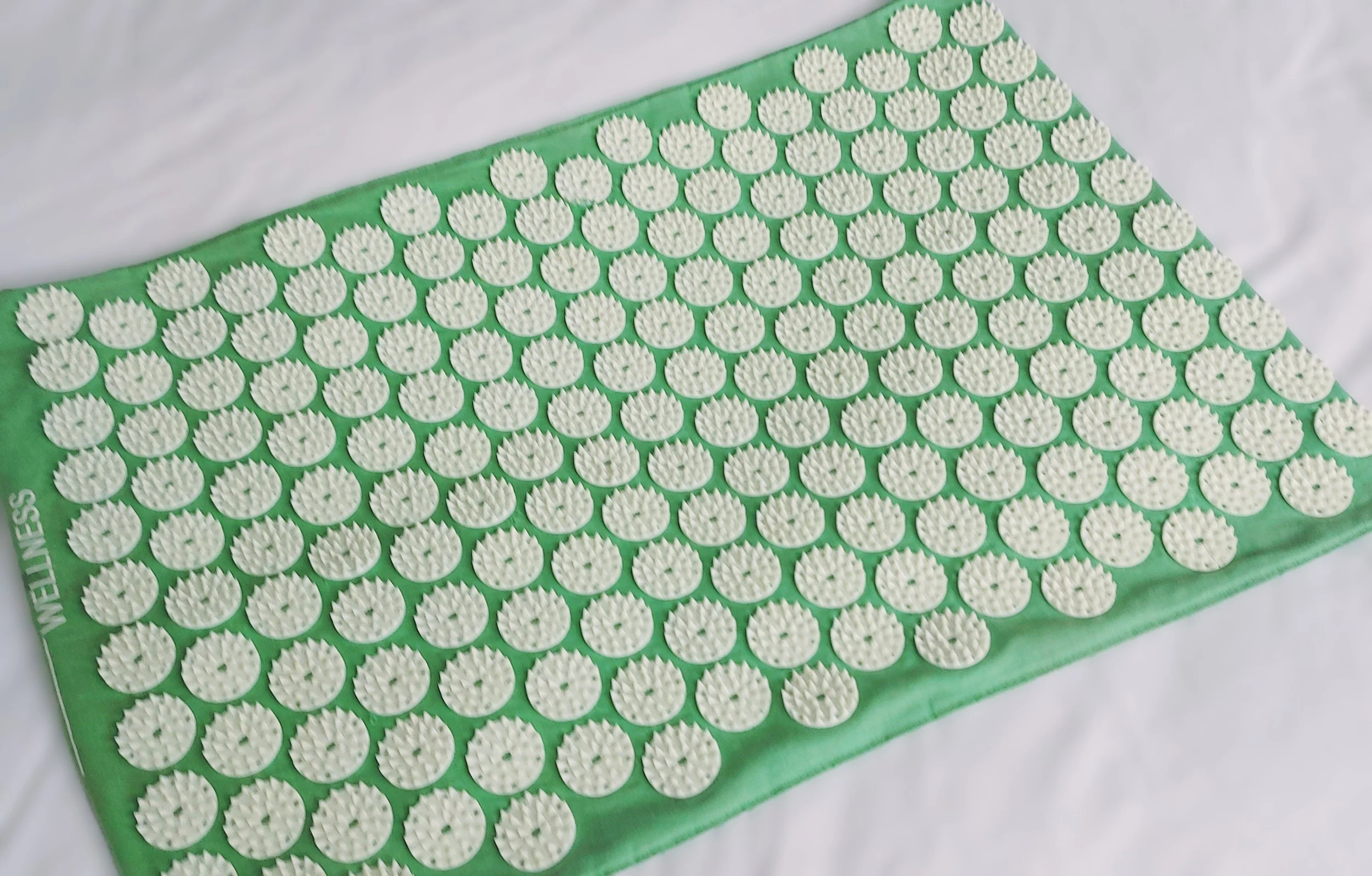
Over the years, my supplement routine has simplified.
But my acupressure mat?
It’s staying.
It’s one of the few tools that consistently calms my nervous system, supports deep sleep, makes my whole body feel regulated.
And that indescribable “vuum” feeling?
That’s your body shifting into repair mode.
To calmer nights,
Izzy xx
P.S. If you use my link, you won’t pay more - but I may earn a small commission that keeps this midlife science experiment running. When writing, this one was £17.00.
15th February
Nervous System Reset: Histamine Intolerance, Candida Detox & Inflammation Recovery
If you’re dealing with histamine intolerance, Candida overgrowth, sinus congestion, headaches, or wired-but-tired sleep - this update might give you hope.
Because healing can be so gradual that you don’t notice it… until suddenly you realise:
Your sinuses are clear, the headaches are gone, you’re sleeping deeply again, your energy is steady.
That’s where I am now. See here what I’ve been doing.
After months of focusing on gut healing, lowering inflammation, and reducing my histamine load, my nervous system feels regulated in a way it hasn’t for years.
What Changed? (Candida, Histamine & Gut Healing)
Histamine intolerance and Candida overgrowth are often rooted in gut dysbiosis.
When the gut lining is inflamed or the microbiome is imbalanced:
DAO enzyme activity may be reduced
Histamine breakdown becomes impaired
Inflammatory cytokines increase
The nervous system becomes hyper-reactive
This can lead to:
Flushing
Heart palpitations
Sinus congestion
Histamine headaches
Nighttime wake-ups
Anxiety-like symptoms
By focusing on restoring gut integrity and lowering systemic inflammation, the symptoms gradually reduced.
My Approach: PK Diet, Blood Sugar & Inflammation Control
I followed (and still do) a PK-style (Paleolithic Ketogenic) approach with flexibility - especially socially on weekends.
The goal wasn’t perfection. It was metabolic stability.
Key focus areas:
Stabilising blood sugar
Supporting bile flow
Reducing fermentable triggers
Lowering fungal load
Supporting liver detox pathways
Over time, this reduced overall inflammatory load and allowed my gut to recalibrate.
And when the gut stabilises, histamine tolerance improves.
Testing High-Histamine Foods Again
Recently, I began strategically reintroducing higher-histamine foods.
I test them in isolation and monitor:
Heart rate changes
Facial flushing
Sinus response
Sleep quality
Energy levels
The difference compared to the beginning is significant.
Which tells me something important:
Gut healing changes histamine response over time.
Histamine intolerance is often dynamic - not permanent.
The Nervous System Piece
Histamine and Candida don’t just affect digestion.
They stimulate the immune system and activate the stress response.
Chronic inflammation can:
Elevate cortisol
Disrupt deep sleep
Increase sympathetic nervous system dominance
Create that “wired but exhausted” state
As inflammation lowers, the parasympathetic nervous system regains balance.
And that’s when you notice:
Deeper sleep
Fewer headaches
Clearer sinuses
Steadier energy
Calmer mood
This is what nervous system regulation actually feels like.
Not sedation.
Regulation.
Healing Is Gradual - But Powerful
Because improvement happens slowly, it’s easy to miss the progress.
But reducing histamine load, calming Candida overgrowth, and repairing gut health can fundamentally shift inflammation levels and nervous system stability.
You don’t have to restrict forever.
The goal isn’t elimination for life.
It’s restoration.
And once your system feels safe again, your body responds differently.
Sleep improves, energy returns, symptoms fade.
That’s real healing. And boy, is it worth it!
23rd February
Nervous System Reset: How Yoga, Ujjayi Breathwork & Hypnotherapy Changed My “Feeling Good” Baseline
Important update on my feeling-good factor.
Over the past few weeks, I’ve been doing ujjayi breath consistently and something subtle but powerful has shifted.
Ujjayi breathwork (that slow, ocean-sounding breath through the nose). I’ve also started using ujjayi breathing before sleep on some nights. And I can honestly say: my nervous system feels different.
It’s hard to describe. Not dramatic. Not euphoric.
Just… grounded.
Calmer in my body, less reactive, more regulated.
As a woman in my late 50s navigating hormones, histamine sensitivity, stress, sleep fluctuations, and all the usual midlife variables - this matters.
Ujjayi breathing gently stimulates the vagus nerve and supports parasympathetic activation.
The vagus nerve is one of the most important nerves in the body because it connects the brain to most major organs - including the heart, lungs, gut, and liver - and about 80% of its signals actually travel from the body back up to the brain, meaning your physical state directly shapes your mood, stress response, and even mental clarity.
I feel less “wired but tired.” My body feels heavier in a good way - anchored rather than tense.
Ujjayi Breathwork: Physiological & Nervous System Benefits
Ujjayi breathing (often called “ocean breath” or “victorious breath”) is a controlled diaphragmatic breathing technique where you inhale and exhale through the nose while gently constricting the back of the throat. The slight glottal narrowing creates resistance and an audible, steady sound.
It’s like you’re gently fogging up a mirror - but instead of breathing out through your mouth, you keep your lips closed and create that soft, warm airflow through your nose and throat.
It has strong Parasympathetic Activation
The slight airway resistance slows respiration and prolongs exhalation, which:
Stimulates the vagus nerve
Increases vagal tone
Shifts
And because I felt that shift that is so powerful, I decided to go deeper.
Adding Daily Hypnotherapy for Nervous System Recalibration
I started having free hypnotherapy sessions online by selfreliancehypnotherapy (no affiliation, just sharing) - at least one session a day - and I feel completely different. In fact, I keep wanting to do one all the time as the feeling is so great :D
1st March
I Came Across This Simple Method Recently - And I’m Absolutely Loving It
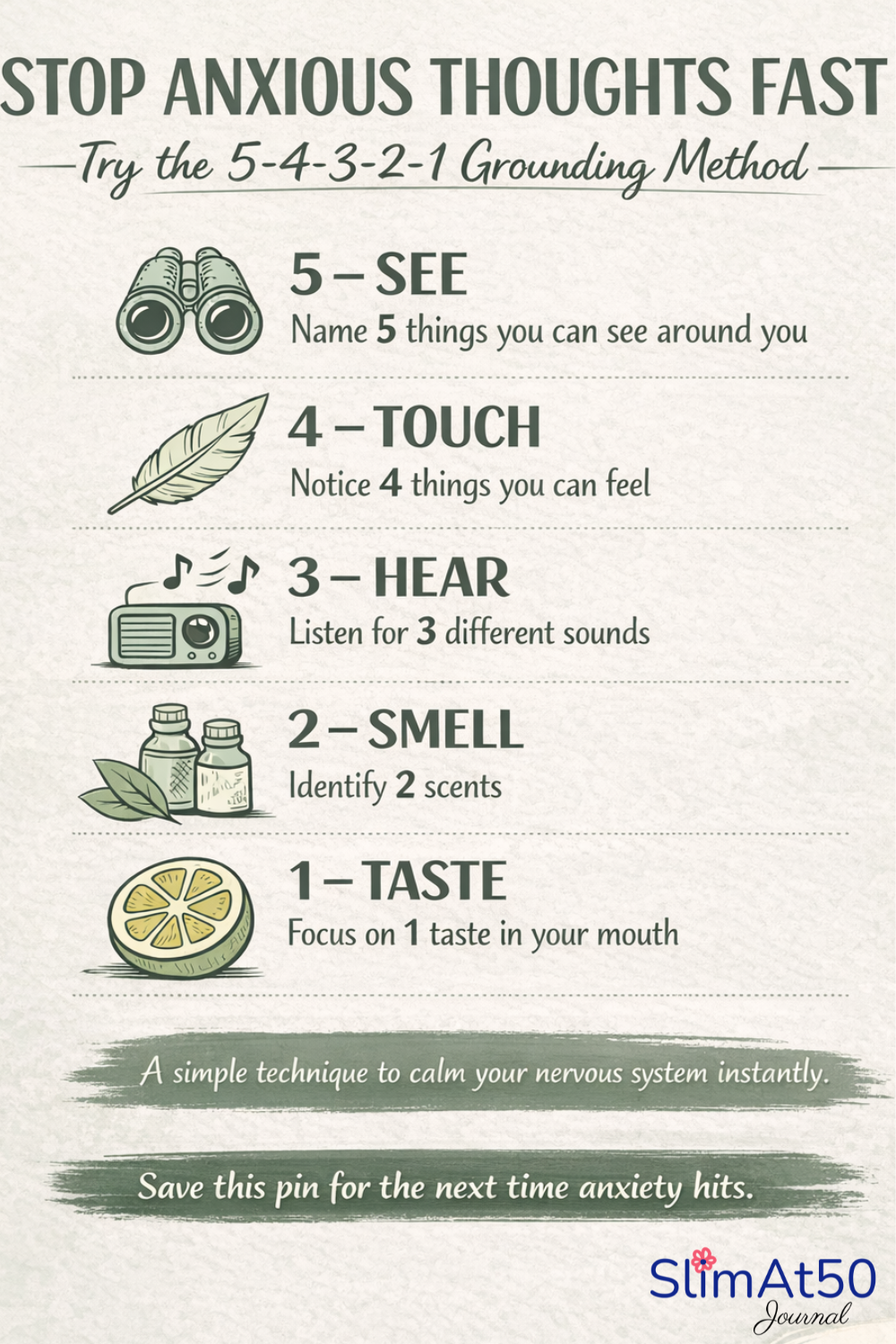
Recently I discovered the 5-4-3-2-1 grounding method, and I have to say… I absolutely love it. It’s one of those simple anxiety relief techniques that sounds almost too basic to work, but when you try it, you realise how powerful it actually is.
(I’ve shared it on my pinterest account.)
The idea is straightforward: you use your senses to bring your attention back to the present moment. When anxious thoughts start racing or your mind begins to spiral, this little trick anchors your brain back into reality and calms the nervous system surprisingly fast.
And honestly, it really works.
Lately I’ve noticed that many of the things I’m doing seem to be supporting my nervous system regulation - even if I didn’t consciously set out to do that. Between grounding exercises, breathing practices, and generally paying more attention to what my body is telling me, my system seems far calmer overall.
The biggest sign of this? My sleep.
Most nights recently have been really good. Deep, restful, uninterrupted sleep - which anyone who has struggled with stress, histamine sensitivity, or hormonal fluctuations knows is worth its weight in gold.
Of course, last week I decided to run a little experiment.
Not always my best idea.
I wanted to see how I would react to shellfish, as it’s known to be a high-histamine food. In theory, small amounts sometimes work for people with histamine sensitivity, so I thought it was worth testing.
Unfortunately, I overdid it.
Quite a lot.
And I regretted it.
The reaction wasn’t dramatic in the moment, but the after-effects lingered for days - especially at night. Restless sleep, a wired feeling, heart pounding at night and that familiar sense that my nervous system had been pushed out of balance again.
Classic histamine response.
In hindsight, if I had eaten a much smaller amount it might have been fine. But when symptoms hang around for several days (and nights), it really does make you question whether the experiment was worth it.
For me, the answer is probably no.
When something disrupts your sleep quality and nervous system balance, it reminds you how valuable feeling calm and stable actually is.
So for now, I’m sticking with the things that are clearly working:
Supporting my nervous system
Practicing simple grounding techniques
Being mindful of histamine-triggering foods
Protecting my sleep
And continuing to use little tools like the 5-4-3-2-1 grounding technique, which is quickly becoming one of my favourite ways to stop anxious thoughts and reset my mind instantly.
Sometimes the simplest wellness tools are the ones that make the biggest difference.
10th March
Creatine Didn’t Love Me Back (Yet): A Midlife Lesson in Going Low and Slow
I’ve been meaning to start creatine for ages- especially with all the benefits for women over 40 like muscle strength, metabolism, and brain support.
So I finally started… and within two days, my body said a firm no thank you.
What Happened
After taking a full scoop, I experienced:
Brain fog / fuzzy head
Pressure in my head and behind my eyes
Blocked sinuses
Not exactly the energy boost I was expecting.
Why Creatine Can Trigger Histamine Symptoms
If you have histamine sensitivity, this kind of reaction is more common than you might think.
Here’s why:
1. Methylation + Histamine Balance
Creatine supports methylation pathways—these are also involved in breaking down histamine. Taking too much too quickly can temporarily disrupt histamine clearance, leading to symptoms like brain fog and sinus pressure.
2. Fluid Shifts in the Body
Creatine draws water into cells. For some people, this can create a feeling of head pressure, eye pressure, or congestion.
3. Too Many Actives at Once
The supplement I took wasn’t just creatine. It also contained:
Astragalus (adaptogen)
Calcium HMB (muscle support)
Panax notoginseng (circulation + energy)
All beneficial-but together, they created too much stimulation for a sensitive system.
Creatine Benefits for Women Over 40
Despite the reaction, creatine is still one of the most well-researched supplements for midlife health.
It can help with:
Maintaining muscle mass and strength
Supporting metabolism and fat loss
Improving brain function and mental clarity
Boosting cellular energy (ATP)
Reducing fatigue
These benefits are especially important during perimenopause and menopause, when muscle loss and energy dips become more common.
The Lesson: Start Low and Go Slow
This was a clear reminder that:
more is not better-especially with histamine sensitivity.
Next time, I’ll:
Start with a very small dose (¼ scoop or less)
Choose a pure creatine monohydrate (no added extras)
Increase slowly and track symptoms
If you’re dealing with histamine intolerance, brain fog, or supplement sensitivity, creatine can still be helpful-but it needs to be introduced carefully.
This experience reminded me that:
Bio-individuality matters
Even the best supplements can cause side effects
A slow, gentle approach always works better
17th March
I Went Down the Gut Health Rabbit Hole… and Ended Up Changing Everything
The last month has been up and down for me regarding histamine reactions to food and/or supplements. I have stopped my microbiome protocol to minimize reactions. My reactions usually revolve around sinus congestion, head pressure and recently even migraine type headache behind the eyes. The time has come for something drastic. The one thing I never thought I would go for. A tried and tested diet that has even healed autoimmune diseases, dysbiosis and otherproblems for some. (Vegans and vegetarians look away now): The carnivore Diet !
In 2021, Harvard University published a study looking at how a carnivore diet affected the health of more than two thousand people.
At the end of the six-month trial, the researchers concluded that “contrary to common expectations, adults consuming a carnivore diet experienced few adverse effects and reported health benefits and high satisfaction”.
98% improved conditions related to diabetes
97% improved gastrointestinal symptoms
96% improved psychiatric symptoms
95% improved in overall health and high levels of satisfaction
93% improved or resolved obesity and excess weight
93% improved hypertension
84%-100% reduced diabetic medication use
Yes, I’m going for it! This looks like the only thing that might reset my gut properly. The research is there. I also have 4 friends doing it and swear by it. Thousands of people swear by it in fact. Functional doctors are now leaning towards it. Yes, I also had many questions regarding the lack of nutrients but I have been blown away by my findings.
In recent years, a growing number of practitioners and researchers-including proponents of the animal-based and carnivore approach - have raised important questions about the role of plant foods in gut health. While plants are often promoted as universally beneficial, they also contain a wide range of natural defense compounds that can negatively impact digestion, nutrient absorption, and overall wellbeing-especially for sensitive individuals.
Why Plants Can Be Problematic for the Gut
Plants are biologically designed to protect themselves. Unlike animals, they cannot run or hide, so they produce chemical defenses to deter predators. These compounds, often referred to as anti-nutrients, can interfere with human digestion and metabolism.
Some of the most common include:
Oxalates – can form crystals in the body, contributing to kidney stones, joint discomfort, and gut irritation
Lectins – may disrupt the gut lining and contribute to increased intestinal permeability (“leaky gut”)
Phytates – bind essential minerals like zinc, iron, and calcium, reducing their absorption
Saponins – can damage the gut lining and trigger inflammation in sensitive individuals
Tannins – interfere with protein digestion and enzyme activity
Some other anti-nutrients: Protease Inhibitors, Salicylates (natural plant chemicals), Glycoalkaloids, Cyanogenic Glycosides, Goitrogens and many others.
For individuals dealing with Candida overgrowth, histamine intolerance, or gut dysbiosis, these compounds can exacerbate symptoms such as bloating, fatigue, skin issues, and food sensitivities.
The Gut Impact: Inflammation and Digestive Stress
Many of these plant compounds can:
Irritate the intestinal lining
Disrupt the gut microbiome
Feed harmful bacteria or yeast
Trigger immune and histamine responses
This can lead to a cycle of inflammation, poor nutrient absorption, and ongoing digestive discomfort - particularly in midlife when hormonal shifts can make the body more reactive.
Do We Actually Need Plants?
A key argument made by advocates of animal-based nutrition is that meat provides all essential nutrients required for human health, without the anti-nutrient burden found in plants.
Nutrient-dense animal foods such as:
Red meat
Organ meats
Eggs
Fish
Raw milk, butter and cheese
contain highly bioavailable forms of:
Protein with all essential amino acids
Vitamin B12, iron, zinc
Fat-soluble vitamins (A, D, K2)
Essential fatty acids
Unlike plant foods, these nutrients are readily absorbed and do not come with compounds that block their utilization.
But What About Fibre and Gut Health?
A common concern is that removing plants reduces fibre intake and therefore harms gut health. However, emerging perspectives suggest that:
Fibre is not essential for everyone
Some individuals experience improved digestion when fibre is reduced
The gut can adapt, and symptoms like bloating and gas often decrease
Additionally, the body can produce beneficial compounds through alternative pathways (such as ketosis), reducing reliance on fibre fermentation.
The Carnivore and Animal-Based Approach
Many people experimenting with a carnivore or animal-based diet report improvements in:
Digestive issues
Autoimmune symptoms
Skin conditions
Energy levels
Food intolerances
By removing plant toxins and focusing on nutrient-dense animal foods, the gut may have an opportunity to heal and reset.
A Balanced Perspective
While plants can be beneficial for some, they are not universally tolerated. Bio-individuality plays a key role, and for those struggling with chronic gut issues, reducing or eliminating certain plant foods may offer significant relief.
The idea that “plants are always good” is being increasingly challenged. For many - especially women over 40 dealing with hormonal changes, gut sensitivity, and inflammation - plant compounds may contribute more harm than benefit.
Focusing on high-quality animal foods can provide complete nutrition without the digestive stress and anti-nutrient load associated with plants. Whether fully carnivore or a more flexible animal-based approach, reducing problematic plant foods may be a powerful step toward better gut health and overall wellbeing.
I’ll be keeping my wellness diary updated as I go deeper into this new way of eating, sharing honest insights from my gut health journey along the way. But don’t worry - this blog isn’t turning into a one-topic space. I’ll continue creating plenty of content on natural health, weight loss for women over 40, hormone balance, and all the other areas we’ve been exploring together.
This is a more drastic step than most people will ever need to take. Not everyone has to go all-in to improve their digestion or heal gut issues - sometimes simple dietary tweaks are enough.
But after everything I’ve researched about gut health, inflammation, anti-nutrients, and food sensitivities, I’ve decided to experiment with a more extreme approach to see what’s truly possible.
I’m aiming for optimal health - not just “feeling okay.” And if there’s a way to reduce bloating (not my case), fuzzy head (yes), calm histamine reactions (oh yes), support Candida balance (yes) and sinus congestion (yes), and improve energy levels (please) and focus (pretty please), I’m willing to explore it fully. Many people report transformative results from this way of eating, and I’m curious to see how my body responds.
Think of this as a real-life experiment in gut healing, midlife wellness, and finding what actually works - no filters, just honest results.
I will report back.
25th March
LOTS TO SHARE!
Keto Flu Days 2–4: Leg Cramps, Fatigue & What Actually Helped Me Sleep Better (Midlife Carnivore Transition)
Keto Flu Diary: Days 2, 3 & 4
Days 2, 3 and 4 of my keto/carnivore transition were, without question, the hardest.
I was hit with intense leg muscle cramps at night, the kind that wake you up and refuse to let you drift back to sleep. On top of that, I felt a deep, dragging fatigue that made everything feel like effort.
From what I’ve learned, this is classic keto flu - especially during the first 2–3 weeks of transitioning. The main culprit? A sudden drop in key electrolytes:
Magnesium (hello muscle cramps)
Potassium
Sodium
When carbs are reduced, the body flushes out water and minerals quickly. No one really warns you how dramatic that shift can feel.
What Helped Me: Electrolytes, Salt & Fat
The biggest game changer was hydration with proper minerals (very important)- not just plain water.
I started drinking:
Plenty of water with unrefined salt (I use Sunshine Salt)
This made a noticeable difference quite quickly.
Another realisation? I wasn’t eating enough fat.
On a carnivore or keto-style approach, fat isn’t optional - it’s essential for:
energy
hormone balance
keeping cortisol stable (especially important for sleep)
So I’ve been making a conscious effort to increase my fat intake.
What I’m Eating Right Now (No Hunger at All!)
Interestingly, I’ve had almost zero hunger, which still surprises me.
A typical morning looks like:
Egg yolks fried in fat
A steak
And that keeps me going for hours.
I’ll sometimes add:
Ricotta
A few raspberries or blueberries
I know strict carnivore avoids these, but I’m listening to my body here.
No Fasting (For Now)
This phase is not the time to push things.
No fasting right now
Eat when I feel hungry
Trying to “be good” and restrict more just feels like unnecessary stress. And stress = higher cortisol, which absolutely wrecks sleep (something I’m already navigating).
Evening Routine for Better Sleep
One thing I’ve noticed is that I actually sleep better when I include:
Fat at night
A small amount of carbs (berries)
About 1 cup of full-fat organic raw milk (some people have honey)
This seems to calm my system and support more stable sleep.
Week 2: Glimpses of Progress
Now into week 2, things are shifting.
I’m still tired -but it’s not constant. I’m starting to get little bursts of energy, sometimes even better than before I started.
That said:
Energy is still up and down
Sleep is still a bit unpredictable
But there are clear signs that my body is adapting.
What I’m Learning So Far
Electrolytes are everything (especially magnesium, potassium, sodium)
More fat = better energy and sleep
Undereating makes everything worse
Gentle carbs at night may actually help during transition
This phase is about supporting the body, not stressing it
Final Thoughts (Honest One!)
I really hope this is going to be worth it.
Right now, it feels like a bit of a rollercoaster - but those glimpses of better energy are keeping me going.
30th March
Regarding the Carnivore Diet: Why I Had to Add some Carbs Back (Adrenal Fatigue, Keto Stress & “Wired but Tired”)
3 Weeks Into Carnivore: Here’s What No One Tells You
After three weeks on a carnivore-style diet, one thing is crystal clear:
There is no one-size-fits-all metabolism.
What works brilliantly for one person - especially younger men - can feel completely different for:
women over 40
anyone dealing with hormonal shifts
those with existing health issues (hello, histamine, dysbiosis and Candida in my case)
And this is where things got interesting…
Why Women (Especially Midlife) May Need a Different Approach
Women’s bodies are more sensitive to stress and energy availability - particularly during midlife.
When you suddenly cut carbs very low (like on strict carnivore), your body has to:
switch fuel sources (glucose → fat/ketones)
increase stress hormones like cortisol to maintain blood sugar
adapt quickly… or feel like it’s under threat
For some of us, especially if we already have underlying stress or hormonal imbalance, this can trigger what’s often called:
“Wired but tired” mode
exhausted but unable to relax
poor sleep
jittery or anxious energy
extreme fatigue during the day
Did I Go Into Ketosis Too Fast?
Looking back, I suspect I may have pushed my body into ketosis too quickly.
Instead of a smooth transition, my body seemed to interpret it as:
“We’re in survival mode now.”
When carbs drop suddenly:
blood sugar can dip
cortisol rises to compensate
the nervous system becomes more alert (not always in a good way)
This is especially true if:
you’re already a bit depleted
you’ve had long-term stress (work, kids, life!)
or your body isn’t metabolically flexible yet
Why I Had to Add Carbs Back In
This was a big realisation for me.
To calm my system and reduce stress, I’ve needed to add small amounts of carbs back in:
in the morning
again in the evening
sometimes even during the day
Here’s why this helps:
1. Supports cortisol balance
A little glucose signals safety to the body, reducing the need for constant cortisol output.
2. Helps nervous system regulation
Carbs can support serotonin production, which promotes calm and better sleep.
3. Prevents energy crashes
Instead of running purely on stress hormones, the body gets a more stable fuel supply.
4. Eases the transition into fat adaptation
Rather than forcing ketosis, this creates a more gradual, less stressful shift.
The Reality: Some Days Amazing, Some Days Not
This journey has been anything but linear.
Some days I feel clear, energised, and optimistic
Other days I’m hit with extreme fatigue - the kind that stops me in my tracks
Honestly? There have been days where I’ve been too exhausted to even write my blog, which says a lot.
Everything still feels quite:
unstable
unpredictable
up and down
What I’m Learning (The Hard Way!)
Women over 40 may need a gentler, more flexible approach to carnivore or keto
Going too low-carb too fast can push the body into stress mode
Strategic carbs can actually support adaptation, not ruin it
Listening to your body beats following strict rules every time
Final Thoughts: This Is Not Failure - It’s Feedback
If something isn’t working, it doesn’t mean you’ve failed.
It means your body is giving you data.
Right now, mine is saying:
“Slow down. Support me. Don’t push so hard.”
So that’s exactly what I’m doing.
And I have a feeling this more balanced approach might be the thing that actually makes it sustainable… and worth it.
Carnivore Isn’t One-Size-Fits-All (And the Experts Prove It)
There isn’t just ONE carnivore diet. There are multiple versions, philosophies, and evolving approaches.
And interestingly, even some of the most well-known voices in the space have changed their minds over time - which says a lot.
Let’s look at a few key experts and how their approaches differ, especially when it comes to women’s health and midlife metabolism.
Paul Saladino – From Strict Carnivore to “Animal-Based”
Dr. Paul Saladino is one of the most recognised names in the carnivore world. He regularly did blood tests to monitor his health levels.
His original approach:
100% animal-based diet
No plant foods
Focus on nose-to-tail eating (organ meats, fat, etc.)
But over time, he began noticing issues - both in himself and others:
low energy
sleep disturbances
hormonal concerns
reduced exercise performance
So he evolved his approach.
What he does now:
Still prioritises animal foods
BUT includes:
fruit
honey
raw dairy
This is often called an “animal-based diet” rather than strict carnivore.
Why the change?
He found that:
some people (especially active individuals and women) need more carbohydrates
long-term zero-carb can increase stress hormones in certain bodies
strategic carbs can support thyroid function, hormones, and sleep
This shift is hugely relevant if you’re feeling:
wired but tired
hormonally off
exhausted on strict carnivore
Jenny Ochoa – A More Flexible, Real-Life Approach
Jenny Ochoa represents a more practical, lifestyle-based version of carnivore.
Her approach tends to be:
less rigid
more intuitive
focused on sustainability
the importance of listening to your body
This is especially helpful for women who:
don’t thrive on extremes
need flexibility for hormones, stress, and lifestyle
Other Carnivore Voices (Especially Relevant for Women)
If you’re navigating midlife, hormones, or fatigue, these perspectives are worth exploring:
Shawn Baker
Strong advocate of strict carnivore
Focus on simplicity: meat, salt, water
Works well for some - but often better suited to those without hormonal sensitivities
Kelly Hogan
Long-term carnivore
Shares a more balanced, realistic journey
Open about individuality and adaptation
Dr. Elizabeth Bright
One of the most important voices for women’s carnivore health
Focuses on:
hormones
thyroid health
the need for more fat for women
Emphasises that women often require a different ratio and approach than men
Women should not follow the same dietary rules as men
Different Types of Carnivore Diets
This is where it gets really important.
When people say “carnivore,” they could mean very different things:
1. Strict Carnivore
Meat, salt, water only
No dairy, no plants
2. Nose-to-Tail Carnivore
Includes organ meats for nutrient density
Still very low/no carbs
3. Carnivore with Dairy
Adds butter, cheese, cream
More energy-dense and often easier hormonally
4. Animal-Based (Modified Carnivore)
Meat + fruit + honey + raw dairy
More supportive for:
hormones
sleep
active lifestyles
Why This Matters (Especially for Women Over 40)
At this stage of life:
hormones are shifting
stress resilience can be lower
the body is more sensitive to extremes
Going too strict, too fast can:
raise cortisol
disrupt sleep
create that “wired but tired” feeling
That’s why many women (myself included) find that:
a more flexible version works better
adding carbs strategically can actually support progress
Final Thoughts: There’s No “Perfect” Carnivore
Even the “experts” don’t all agree. I tend to go by what Dr. Paul Saladino advocates as he bases his info on studies.
And more importantly - they’ve changed their approaches over time based on real experience.
That tells us something powerful:
The best diet isn’t the strictest one.
It’s the one your body can actually thrive on.
If you’re navigating fatigue, hormones, or sleep issues on carnivore, it might not mean the diet is wrong…
It might just mean you need your version of it.
15th April
Don't Make the Mistake I Made With Echinacea!
I thought I knew exactly what to do when a cold was coming on.
For years, whenever I felt that dreaded scratchy throat, slight sniffle, or "uh-oh, I'm getting sick" feeling, I immediately reached for a high-strength echinacea extract.
And it worked brilliantly.
My colds were usually short, mild, and over before they had a chance to ruin my week. I would often feel better within two or three days.
So when I recently felt a cold coming on, I wasn't worried. (Worth noting I hadn't had a cold or anything similar for over a year!)
This time I started drinking organic Echinacea purpurea tea straight away and assumed I was covered.
Big mistake.
I still felt absolutely dreadful. My energy disappeared, my symptoms got worse, and day after day I kept wondering why my trusty echinacea wasn't doing its job.
Meanwhile, I was drinking tea by the gallon.
Eventually, I decided to investigate.
And what I discovered surprised me.
Echinacea Tea vsEchinacea Extract: They're Not the Same
It turns out that echinacea tea and echinacea extracts contain very different levels of the compounds responsible for immune support.
One group of compounds, called alkylamides, appears to play an important role in activating and communicating with immune cells, including white blood cells such as macrophages.
These alkylamides are extracted much more effectively in alcohol-based tinctures and extracts than they are in hot water.
In other words, while echinacea tea contains some beneficial compounds, it may not provide the same concentration of alkylamides found in high-quality echinacea extracts.
That's one reason many of the studies showing significant immune benefits used echinacea extracts rather than tea.
The Turning Point
As soon as I realised what was going on, I stopped relying on the tea alone and started taking a high-strength echinacea extract.
The difference was remarkable.
Within about half a day, I could feel things shifting.
My energy started improving, the symptoms began easing, and I finally felt as though my immune system had remembered it was supposed to be fighting.
From that point on, I recovered surprisingly quickly.
My Lesson Learned
If I feel a cold coming on, I won't assume that tea and extract are interchangeable. It's worth mentioning that Pherrum phosphoricum is also a great remedy when any ailment starts.
For me, they definitely weren't.
The next time you reach for echinacea, it may be worth checking whether you're using a tea or a concentrated extract - especially if you're looking for stronger immune support when a cold first strikes.
Because trust me, if you can avoid the mother of all colds, it's well worth it!
Have you noticed a difference between herbal teas and herbal extracts? I'd love to hear about your experiences.
It's also worth mentioning that Ferrum phosphoricum (often called Ferrum Phos) is one of my favourite remedies to reach for at the very first sign that something isn't quite right.
In traditional tissue salt and homeopathic practice, Ferrum Phos is considered the remedy for the early stages of inflammation and infection, before symptoms become fully established. It's often used when you feel that familiar "coming down with something" sensation - perhaps a slight sore throat, mild fatigue, a flushed face, or just the feeling that your body is starting to fight something off.
Ferrum Phos is thought to support the body's natural immune response during this initial phase and may help prevent minor ailments from gaining momentum. It's particularly popular for the first stages of colds, flu-like symptoms, ear infections, and sore throats.
Many people (myself included) keep Ferrum Phos in the medicine cupboard because it seems to be most effective when taken early - before symptoms have had a chance to fully develop.
My personal rule is simple: at the first hint of a cold, I reach for both my echinacea extract (my choice is echinaforce liquid, 40 drops at a time in a mug of hot water so the alcohol evaporates) and Ferrum Phos. (Not at the same time. Ferrum phos should be taken at least 20 minutes before or after food or drinks.)
It's a combination I've relied on for years and one that has often helped me bounce back much faster than expected.
1st May
I’m Finally Sleeping Better… But I Had to Break My Own Rules
If you've been following my health diary, you'll know that my goal was never to stay carnivore forever.
My goal has always been to heal my gut, reduce histamine intolerance, and build a body that doesn't overreact to every food I eat.
That's why I moved towards an animal-based diet in the first place.
When the gut is irritated and the immune system is on high alert, some people find that plant compounds, fibre, and high-histamine foods can make symptoms worse. By simplifying my diet, I hoped to reduce the noise and give my body a chance to heal. There is some science behind this btw!
Unfortunately, things didn't quite go according to plan.
A few months ago, I accidentally pushed myself too far into low-carb territory.
The result?
Heart palpitations
Broken sleep
Head pressure and pressure behind my eyes
Night sweats
A nervous system that seemed permanently stuck in "fight or flight"
…and this went on for longer than the 3 week keto flu period. I was in a bad way.
To calm everything down, I had to do something I hadn't planned on doing.
I added carbohydrates back in.
Not mountains of carbs.
Just enough to convince my body that it wasn't living through a famine.
A little fruit.
Some raw milk.
And white rice with my evening meal.
Slowly, things improved.
The palpitations disappeared.
The head pressure eased.
My sleep became deeper and less fragmented.
Most importantly, my body started feeling safe again.
The Part I Didn't Expect
I also gained a couple of kilos.
My jeans became suspiciously tight and I developed what appeared to be cellulite almost overnight.
Thankfully, most of this wasn't body fat.
When you've been eating very low carb, your glycogen stores become depleted. As glycogen is restored, it pulls water back into the muscles and tissues. The result can be temporary weight gain, puffiness, and tighter clothes while the body recovers.
Was I thrilled?
Not exactly.
But I needed to choose healing over vanity.
The Gut-Healing Phase Has Begun
Now that my nervous system is calmer and my sleep is improving, I've finally started the next phase of the plan.
I've been following a gut-healing protocol for the last 2–3 weeks:
Breakfast
6 MegaMucosa
1 RestorFlora
Lunch
1 MegaSporeBiotic
(All from Microbiome Labs. No, I don't get commission. Although after mentioning them this often, perhaps I should!)
The reason I started with MegaMucosa is that it helps support the protective mucus layer that lines the digestive tract.
Think of it as improving the soil before planting the seeds.
A stronger mucus layer helps protect the gut barrier, reduce irritation, and create a healthier environment for beneficial bacteria to thrive.
Only once I felt stable enough did I begin introducing probiotics.
And for the first time, my body seems able to tolerate them without staging a full-scale rebellion.
My Little Confession
I have to admit something.
I'm cheating.
Well... sort of.
For the last few weeks, I've also been taking a daily antihistamine.
If you've followed me for any length of time, you'll know that's not usually my style.
I generally prefer natural approaches whenever possible.
But I came to realise that if a short-term antihistamine helps reduce histamine reactivity enough for me to successfully heal my gut, then it's a tool-not a failure.
My plan is to use it for a month while I establish the protocol and then stop.
At that point, we'll find out whether my body has genuinely become more resilient.
What I'm Eating Now
My diet remains mostly animal-based:
Meat and fish
Egg yolks
Ricotta
Blueberries and berries
The occasional organ meat
A little organic raw milk
I've recently added beef kidney and continue eating tongue.
Liver is still waiting patiently in the wings because I suspect it may be a little too much for my system right now.
I've also removed the evening rice again.
The good news?
My sleep hasn't worsened.
To me, that's a sign that my body no longer needs the extra carbohydrate support it needed during recovery.
What I've Learned
Perhaps the biggest lesson from this whole experience is that healing isn't about following a perfect diet.
It's about listening to your body.
Sometimes you need more carbs.
Sometimes you need fewer.
Sometimes you need supplements.
Sometimes you need medication.
And sometimes you need to break your own rules in order to move forward.
Right now, I'm sleeping better, my head feels clearer, and my body is calmer than it has been for months.
The moment of truth will come when I stop the antihistamine.
I'll let you know what happens.
17th May
I Stopped the Antihistamine… And My Body Didn't Panic!
Well... this feels like a milestone worth celebrating.
A week ago, I stopped taking the antihistamine.
To be honest, I was expecting at least a little rebellion from my body.
A return of the head pressure.
Poor sleep.
Congestion.
The dreaded histamine "hangover."
But guess what?
Nothing happened.
Well... nothing bad anyway!
I'm still sleeping well, my head feels clear, and my body has stayed remarkably calm.
Considering where I was just a few months ago, that's a huge win.
So What's Changed?
The only thing I've continued is my gut-healing protocol.
For the past few weeks I've been taking:
MegaMucosa
This is the foundation of my protocol.
MegaMucosa contains a blend of nutrients, amino acids and citrus bioflavonoids designed to nourish the protective mucus layer of the gut. Think of it as repairing the 'protective wallpaper' inside your digestive tract, helping to strengthen the gut barrier before introducing more beneficial bacteria.
Think of it as repairing the soil before planting the seeds.
A healthier mucus layer helps protect the gut barrier, reduce irritation and create a more welcoming environment for beneficial bacteria.
RestorFlora
This probiotic combines beneficial Bacillus spore-forming bacteria with Saccharomyces boulardii, a friendly yeast that has been widely studied for supporting digestive health.
The aim is to encourage a healthier balance of microbes while supporting normal gut function and resilience.
MegaSporeBiotic
This is a spore-based probiotic containing several strains of Bacillus bacteria.
Unlike many traditional probiotics, these hardy spores are designed to survive stomach acid before becoming active in the intestines, where they help support microbial diversity and gut barrier function.
Together, these three supplements work on slightly different aspects of gut health:
Supporting the gut lining
Encouraging a healthier microbiome
Helping strengthen the gut barrier
Life Happened… And My Body Coped!
Even better...
Life has become a little less predictable lately.
After about ten years of having absolutely no weddings to attend...
I've somehow ended up with four weddings in fourteen months!
Which, as you can imagine, means restaurant food, celebration meals and the occasional dietary curveball.
I've also enjoyed the odd vodka here and there (purely in the interests of scientific research, of course!).
And the surprising part?
My body behaved beautifully.
No dramatic flare-ups.
No major setbacks.
No feeling as though I'd undone weeks of progress.
Why I'm So Excited
For me, this has never been about following the perfect diet forever.
It's about building a body that's more resilient.
One that doesn't overreact every time life gets in the way.
One that can occasionally enjoy a celebration without paying for it for the next three days.
Am I "cured"?
Far too early to say.
But I do feel as though my body is becoming stronger, calmer and far less reactive than it was.
And that's exactly what I was hoping for when I started this journey.
Onwards We Go...
I'll keep following the protocol, continue introducing foods slowly, and of course I'll report back with every success, every setback and every lesson along the way.
Because if this journey has taught me anything, it's that healing isn't about perfection.
It's about progress.
And right now...
I'm one very happy bunny. 🐰
1st June
Slow Progress, But Definitely Progress: My Gut & Histamine Health Update
Apart from a couple of mini-crises lasting two or three days - complete with a histamine headache that feels remarkably like a migraine, congestion and some seriously rubbish nights - things have been quietly plodding along in the right direction.
It’s a slow process, but I knew it would be. Gut health, the microbiome and histamine balance don’t get rebuilt overnight! I’m looking at the bigger picture rather than expecting a miracle every week.
I’m still taking MegaMucosa and RestorFlora, but I’ve made a couple of changes to my microbiome experiment.
I’ve replaced MegaSporeBiotic with Gut-Brain Reset, formerly known as ZenBiome Dual. It contains two specific strains of Bifidobacterium longum - 1714™ and 35624® - designed to support the gut-brain axis, digestive comfort, regular bowel function, stress regulation and balanced sleep. Basically, I’m giving the gut and brain a little extra support as they try to get their act together!
I’ve also added Essential Microbiome by Blueprint, which is a postbiotic rather than a traditional probiotic. It contains pasteurised Akkermansia and tributyrin. The Akkermansia is intended to support the gut barrier and microbiome balance, while tributyrin is a precursor that releases butyrate in the colon, supporting the gut lining and a healthy inflammatory response.
So, slowly but surely, I’m working on gut barrier health, microbiome diversity, butyrate production and the gut-brain connection — while trying not to lose my own mind waiting for the results!
No dramatic overnight transformation. Just small steps, fewer bad patches and, hopefully, a healthier gut one day at a time.
15th June
From Carnivore Calories to Chia Pudding: My Next Diet Experiment
Since my gut-healing journey began in March, I’ve been on quite the dietary adventure! I went from low-carb which is my norm, to a full keto and carnivore (didn’t work out at all) and then into a more meat-based, low-carb diet, mainly because I wanted to give my gut some respite from foods that can be harder to digest — particularly plants, grains and most fruits — while I continued working on my gut health.
The problem? I gained a few kilos during the transition… and never managed to get rid of them! 🤔
Well, I think I’ve finally figured out why.
It certainly wasn't the carbs. It was the calories! I was eating about 2000 of them!!!
My diet is still very low in carbohydrates, but surprisingly high in calories. Take sirloin steak, for example. A decent-sized steak can easily be around 600 calories — and there have been plenty of days when I've eaten TWO! Add in my berries, ricotta and eight egg yolks (around 55 calories each, depending on egg size), and suddenly my supposedly "healthy, low-carb" day is looking rather calorific.
Oops. 😂
It’s been a useful reminder that low-carb doesn't automatically mean low-calorie — something that's very easy to forget when most of your food is nutrient-dense protein and fat.
So now I'm slowly transitioning towards a more varied diet that will hopefully allow me to eat more normally, get more food variety and fibre, and not have to rely on huge amounts of meat just to feel satisfied.
And guess what has made a comeback?
My PK bread!
My chia seed pudding!
And, gradually, a few more foods that my gut seems ready to handle.
Honestly… YAY!
After months of being extremely restrictive while focusing on gut healing, digestion, low-histamine eating and metabolic health, I'm really hoping this is the beginning of getting back to something that feels more normal and sustainable.
The goal isn't to rush it. I'm going slowly, listening to my body and keeping the gut-healing journey front and centre.
And perhaps most importantly, I want to get back to that wonderful place where I can eat a satisfying, varied diet without constantly having to fill myself up with meat to avoid feeling hungry!
One step at a time.
Next chapter: healing the gut while finding a way of eating that I can actually live with long-term. 💪
28th June
The 10-Minute Morning Experiment
I’ve started experimenting with something ridiculously simple: getting outside within 30 minutes of waking.
No supplement. No gadget. No complicated protocol. Just me, daylight and a few minutes outside.
And surprisingly, I’ve noticed a difference. My sleep seems better, I’m falling asleep more easily and I feel more alert during the day.
That got me digging into the science behind morning sunlight and the circadian rhythm - and I discovered something I find fascinating: we don't actually have just one body clock.
The brain has a central “master clock”, but almost every tissue and organ has its own molecular clock too. Your liver, muscles, intestines, pancreas and fat tissue all have their own timing systems, helping coordinate things like metabolism, hormones, digestion and blood sugar.
Morning light helps set the master clock, while food, exercise and daily activity provide timing signals to the clocks throughout the body.
So perhaps my few minutes with daylight on awakening isn't quite as insignificant as it looks!
I'm now trying to give my body some clear signals:
Morning: natural light
Daytime: movement and daylight
Evening: less bright light and stimulation
Night: sleep!
I'm still experimenting, so I'm definitely not claiming that 10 minutes of morning sunlight is some magical cure-all.
But I love these kinds of discoveries - simple things that cost nothing and might actually make a difference.
And this one is definitely staying in the experiment for now. 😉